Season / availabilityMay–September depending on crop; frozen year-round
Main originsVolyn, Zhytomyr, Ternopil, Khmelnytskyi, Zakarpattia
Shelf lifeUp to 24 months frozen at −18 °C; fresh 3–7 days at 0–2 °C
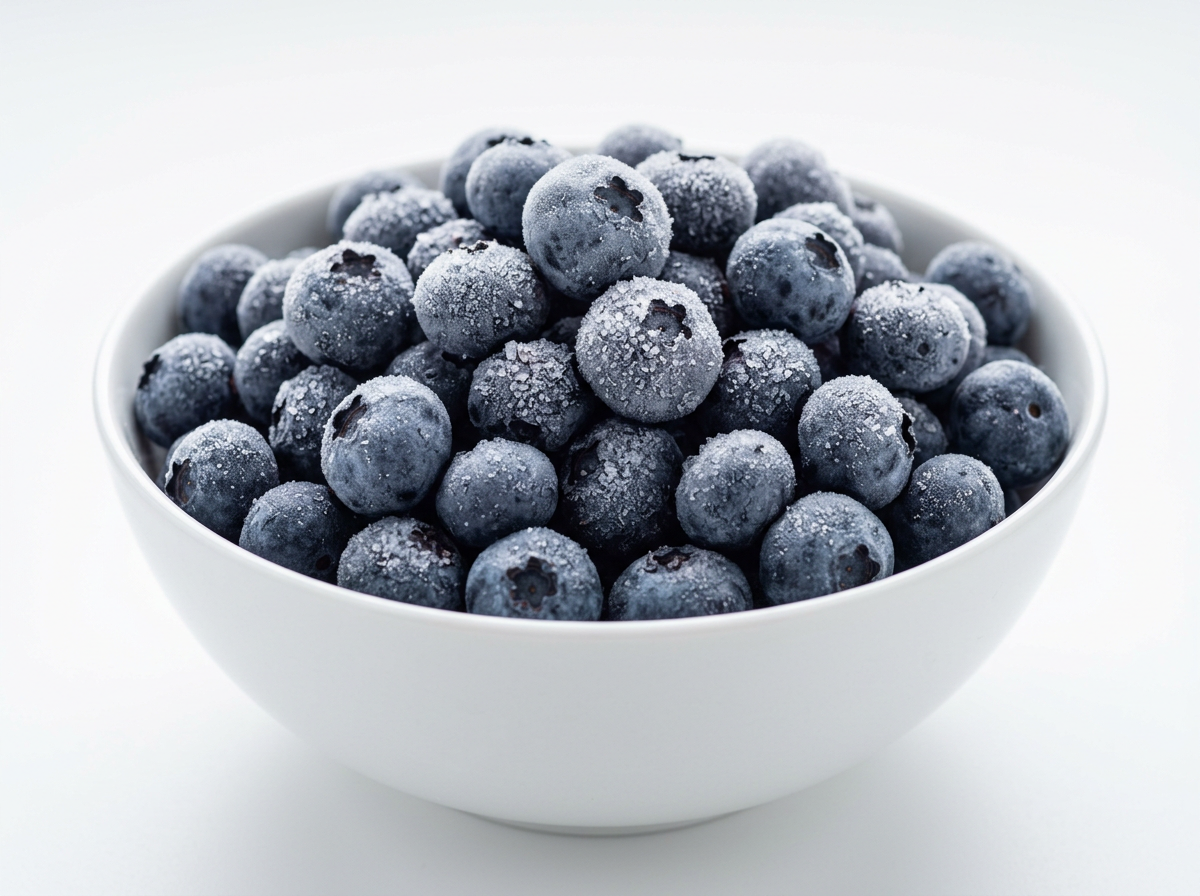
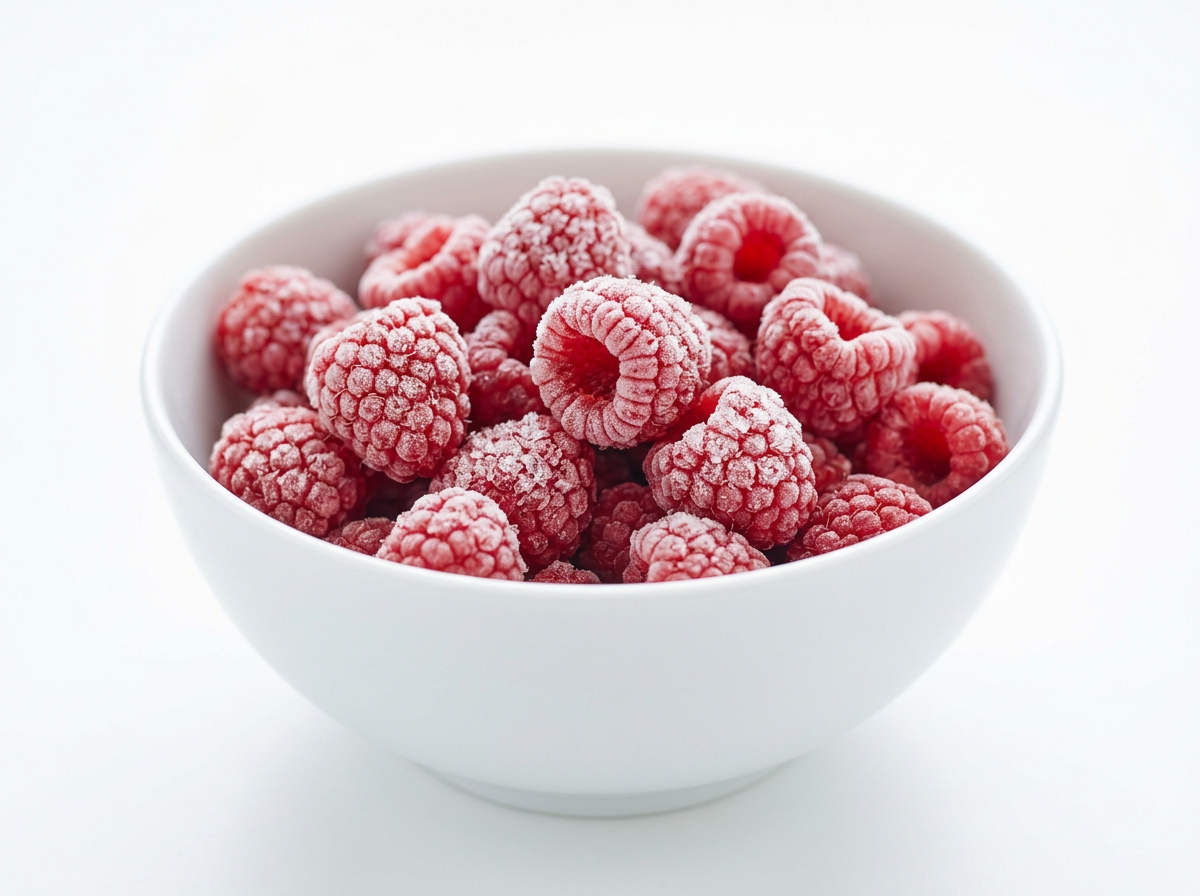
Cultivated and wild berries: raspberry, strawberry, blueberry, blackberry and currants, supplied fresh, frozen (IQF) or as purees and concentrates.
Overview
Berries are Ukraine’s flagship horticultural export. The category covers cultivated and wild berries — raspberry, strawberry, blueberry, blackberry and currants — supplied fresh in season and as IQF, puree and concentrate for year-round industrial programs.
Key facts
Season / availabilityMay–September depending on crop; frozen year-round
Main originsVolyn, Zhytomyr, Ternopil, Khmelnytskyi, Zakarpattia
Shelf lifeUp to 24 months frozen at −18 °C; fresh 3–7 days at 0–2 °C
IQF at −30 to −40 °C within hours of picking is the category standard. Formats: whole, whole & broken (e.g. 90/10, 80/20), crumble, block-frozen puree and NFC juice. Calibration and defect tolerances are defined per grade in the spec sheet.
Industrial: 10–15 kg cartons with PE liner (berries crush under heavier fills), 300–400 kg octabins for processing grades. Retail: 300 g–1 kg pouches, private label ready. Confirm carton weight and pallet configuration per supplier.
Quality & Grades
Berry supply for the EU requires MRL compliance (EC 396/2005), lot microbiology and intact cold chain. Leading Ukrainian processors run HACCP systems and many are BRCGS/IFS certified — verify per facility and request COA plus pesticide multi-residue screening per lot.
Fresh berries move in express frigo vans at 0–2 °C; frozen in reefer FTL/LTL at −18 °C, transit 2–5 days DAP to most EU hubs. Specify data loggers for fresh consignments.
The EU processes more berries than it grows: jam, dairy, bakery and smoothie industries depend on imported frozen fruit. Ukraine is a top-tier raspberry origin and an emerging blueberry/blackberry supplier, with short road transit to Polish and German processors.
Remontant raspberry area is expanding; wild blueberry and organic-certified lots command premiums; EU buyers increasingly require full residue screening and sustainability documentation in tenders.
Raspberry is the flagship (Ukraine is among the world’s largest exporters of frozen raspberries), followed by strawberry, wild and cultivated blueberry, blackberry and blackcurrant.
What do grade codes like 90/10 mean?
They express the share of whole fruit versus broken pieces in IQF packs — e.g. 90/10 means minimum 90% whole berries. Exact tolerance definitions are set in the supplier’s spec sheet — confirm before contracting.
Can I order mixed berry pallets for trials?
Often yes at season start, subject to stock. Standard trial MOQ is one pallet per SKU; mixed pallets are negotiated per supplier.
How is pesticide compliance documented?
Request a lot-specific COA including multi-residue MRL screening from an accredited laboratory, plus the supplier’s current food-safety certificate. This is standard practice for EU-bound lots.