Skip to content
  • Delivering Ukrainian agricultural products to the world
  • Verified information
  • Reliable data
  • Independent platform

Frozen Strawberry IQF

Individually quick frozen strawberry, whole, sliced and diced, Ukrainian origin

  • Product typeFrozen, IQF
  • ProcessingIQF (Individual Quick Freezing)
  • VarietySenga Sengana (processing type)
  • OriginUkraine (Poltava, Kherson regions)
  • SeasonHarvest late May to July, supplied year round from cold store
  • Storage-18 °C or below
  • Source-referenced Every specification names the standard or authority behind it
  • Kept current Each entry carries a visible last-reviewed date
  • Export-focused Import requirements written for EU and global buyers
  • Independent No paid placements, and the editorial policy is published in full

Overview

Frozen strawberry is bought in three formats and the choice is driven by what happens to the fruit after thawing. Whole fruit is used where the berry has to be seen. Sliced fruit is used in bakery fillings, yoghurt and ice cream inclusions where a flat face is wanted. Diced fruit is used where the piece has to disperse evenly through a mass. The variable that most buyers underestimate is variety: strawberry varieties differ widely in colour depth, internal colour, firmness after thaw and the amount of drip they release, and two lots that meet the same written specification can behave very differently in a product if the variety changed between them.

Seasonality and availability

The Ukrainian strawberry harvest runs from late May into July, with a short and intense peak. Everything frozen in that window supplies the whole year, so the volume available for the next twelve months is fixed by early summer. Practical consequence: if a formulation depends on a particular variety, the variety has to be reserved during the harvest. Asking for it in November means taking whatever is left in store.

What the buyer checks at intake

  • Format and calibre against the specification, whole, sliced or diced.
  • Core temperature at minus eighteen degrees Celsius or colder.
  • Internal colour on a thawed sample. Pale centres indicate a variety or a maturity problem.
  • Drip loss after a controlled thaw, if the specification sets a limit.
  • Calyx, green fruit and foreign vegetable matter against the tolerance.
  • Free-flowing behaviour, and for sliced product the proportion of intact slices.

Related standards and routes

Road reefer to central Europe, sea freight for longer destinations. Certification is normally BRCGS or IFS Food, with EU organic on top for organic lots.
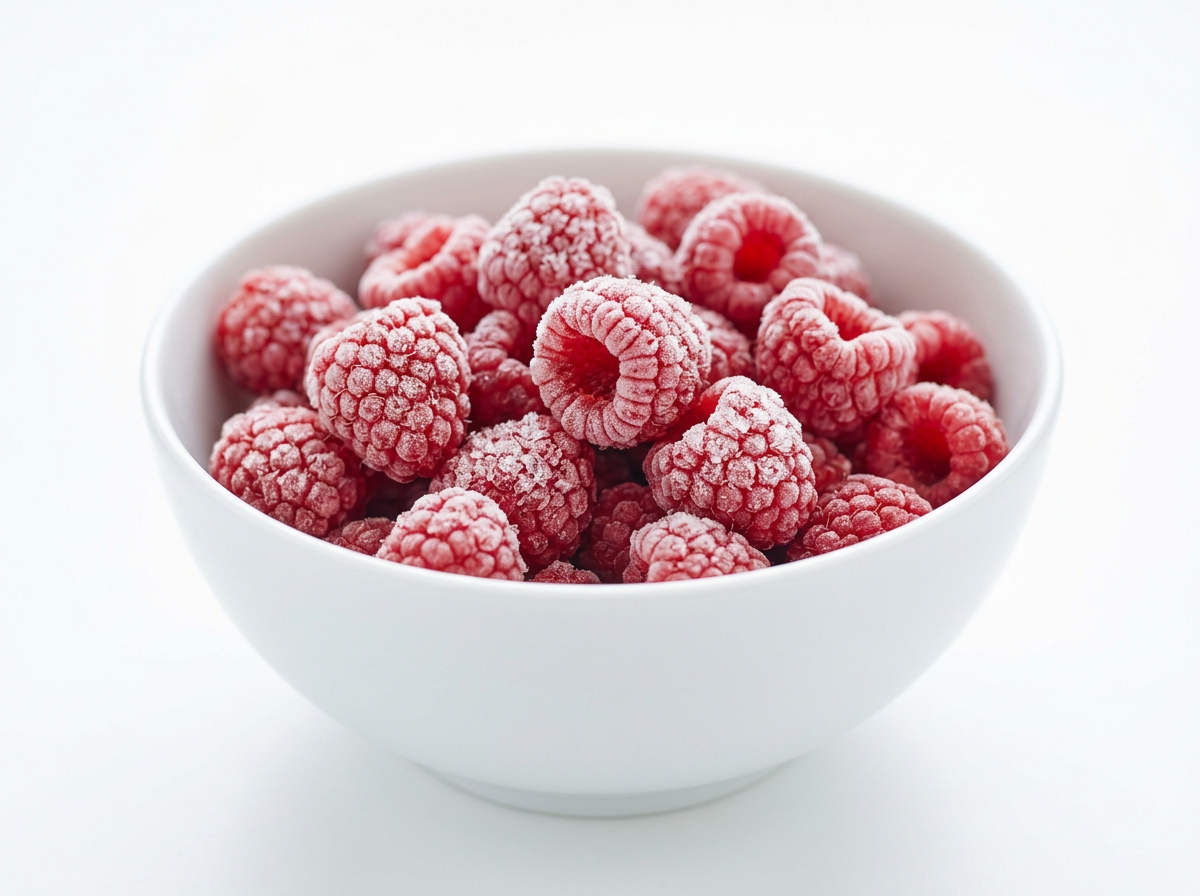
  • Variety drives behaviour

    Colour, firmness and drip differ by variety more than by grade.

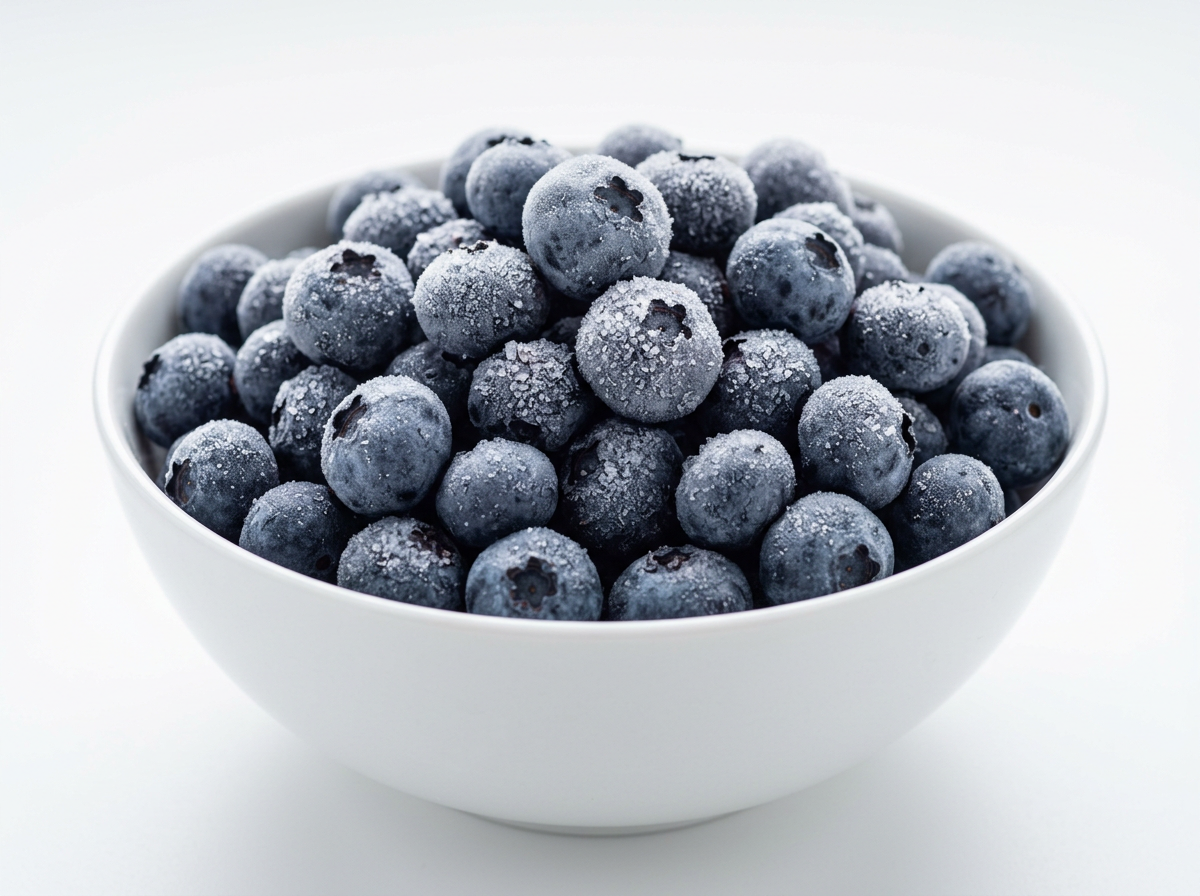
  • Short harvest

    A six to eight week window supplies the whole year.

  • Formats to suit the use

    Whole, sliced and diced are priced and specified separately.

Specifications

physical
ParameterTypical value
FormatsWhole, sliced, diced
Whole calibre bandsTypically 15 to 25 mm, 25 to 35 mm, agreed per contract
Dice size10 by 10 mm is the common cut, others on request
Storage temperatureMinus 18 degrees Celsius or colder
quality
ParameterTypical value
Brix6 to 9 degrees, variety and season dependent
Internal colourAssessed on a thawed sample against a reference
Shelf life24 months from production at minus 18 degrees Celsius
microbiological
ParameterTypical value
FrameworkRegulation (EC) No 2073/2005 plus buyer criteria
packaging
ParameterTypical value
HS heading0811 10, frozen strawberries

Processing

How the product is handled from intake to dispatch.

  1. 1

    Intake

    Fruit received and cooled.

    Ambient to 4 C

  2. 2

    Preparation

    Calyx removal, washing, sorting.

  3. 3

    Cutting

    Slicing or dicing where the format requires it.

  4. 4

    Freezing

    Belt or spiral tunnel.

    Minus 35 to minus 40 C

  5. 5

    Packing

    Lined cartons, metal detection.

  6. 6

    Storage

    Cold store until dispatch.

    Minus 18 C or colder

Packaging

PackagingNet weightNotes
Polyethylene-lined carton10 kg netStandard export format.
Polyethylene-lined carton20 kg netIndustrial volumes.
Retail bag300 g to 1 kgPrivate label.

Applications

Suitable for a wide range of food and beverage applications.

FAQ

Why does the colour vary between lots?

Mostly variety, then maturity at picking. Internal colour in particular is a varietal characteristic. If colour matters, name the variety in the contract or agree a photographic reference and check every lot against it.

How much drip should I expect on thaw?

It depends on variety, maturity and how quickly the fruit was frozen, and it is measured rather than guessed. If drip matters to your process, put a method and a limit in the specification and test it on a retained sample.

Is sliced cheaper than whole?

Usually, because slicing lets the plant use fruit that would not pass as whole. That is a legitimate use of the crop, not a downgrade, provided the specification for the sliced product is written properly.

Next step

Need these specifications confirmed for your order size?

Send the volume and destination and we reply with availability, packaging options and the documents required.

Vorezan publishes reference information for buyers and suppliers. We are not a certification body, a customs broker or a guarantor of any third party. Regulatory references point to the framework in force at the review date; verify the current consolidated text and your own obligations before relying on them commercially.

Last updated: August 22, 2026Sources & references

Quick Facts

  • Product typeFrozen, IQF
  • ProcessingIQF (Individual Quick Freezing)
  • VarietySenga Sengana (processing type)
  • OriginUkraine (Poltava, Kherson regions)
  • SeasonHarvest late May to July, supplied year round from cold store
  • Storage-18 °C or below
  • HS code0811.10
  • MOQOne full reefer load, or one pallet for a trial

Looking for Frozen Strawberry IQF?

Submit your requirements and our team will get back to you with suitable options.

Submit inquiry