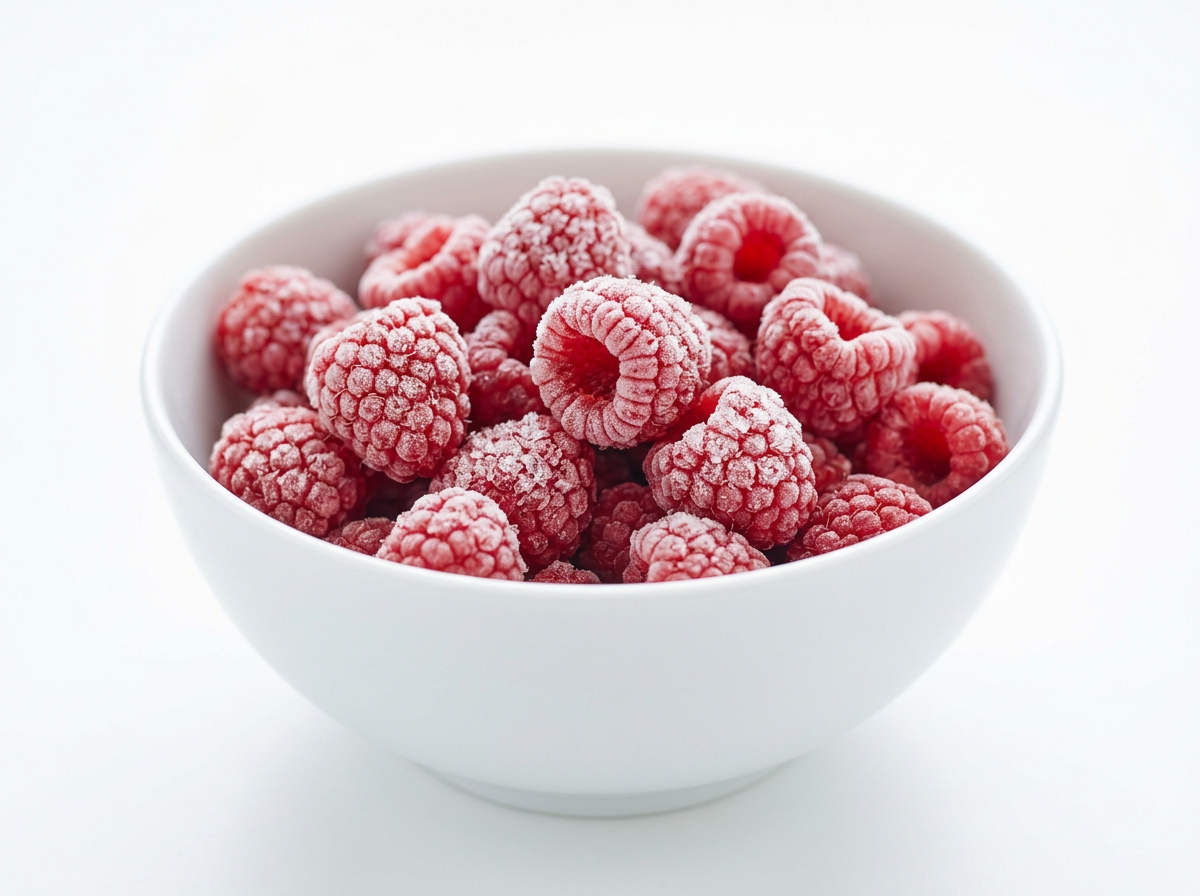
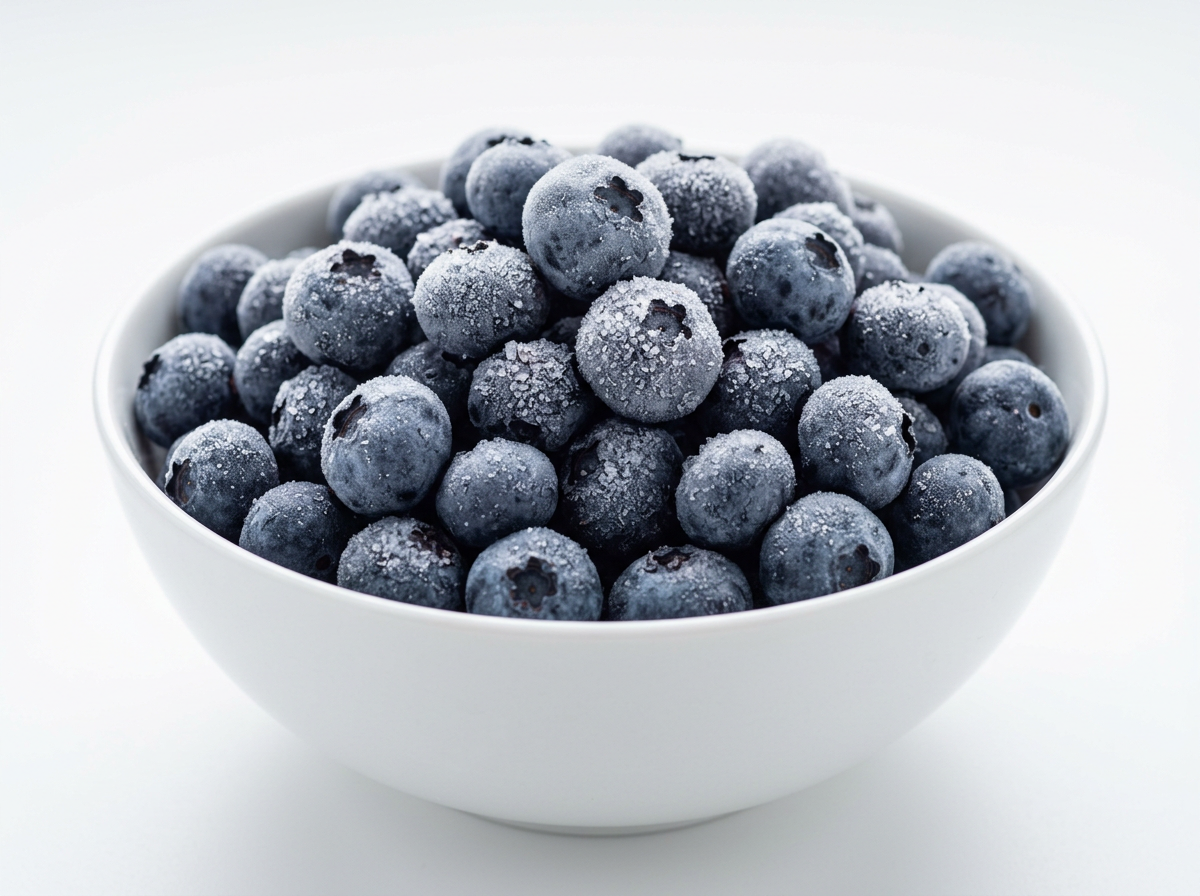
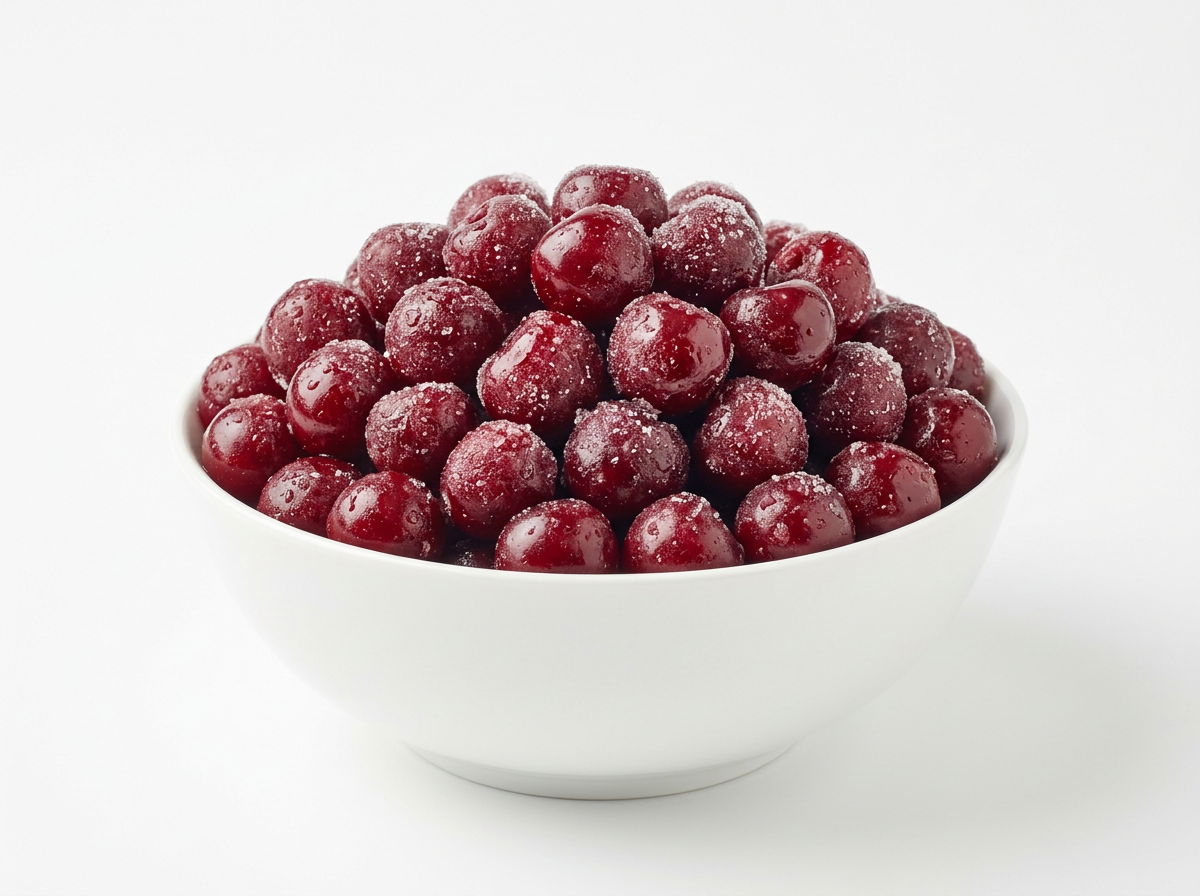
Frozen strawberry is bought in three formats and the choice is driven by what happens to the fruit after thawing. Whole fruit is used where the berry has to be seen. Sliced fruit is used in bakery fillings, yoghurt and ice cream inclusions where a flat face is wanted. Diced fruit is used where the piece has to disperse evenly through a mass. The variable that most buyers underestimate is variety: strawberry varieties differ widely in colour depth, internal colour, firmness after thaw and the amount of drip they release, and two lots that meet the same written specification can behave very differently in a product if the variety changed between them.
Seasonality and availability
The Ukrainian strawberry harvest runs from late May into July, with a short and intense peak. Everything frozen in that window supplies the whole year, so the volume available for the next twelve months is fixed by early summer. Practical consequence: if a formulation depends on a particular variety, the variety has to be reserved during the harvest. Asking for it in November means taking whatever is left in store.
What the buyer checks at intake
- Format and calibre against the specification, whole, sliced or diced.
- Core temperature at minus eighteen degrees Celsius or colder.
- Internal colour on a thawed sample. Pale centres indicate a variety or a maturity problem.
- Drip loss after a controlled thaw, if the specification sets a limit.
- Calyx, green fruit and foreign vegetable matter against the tolerance.
- Free-flowing behaviour, and for sliced product the proportion of intact slices.
Related standards and routes
Road reefer to central Europe, sea freight for longer destinations. Certification is normally BRCGS or IFS Food, with EU organic on top for organic lots.