Overview
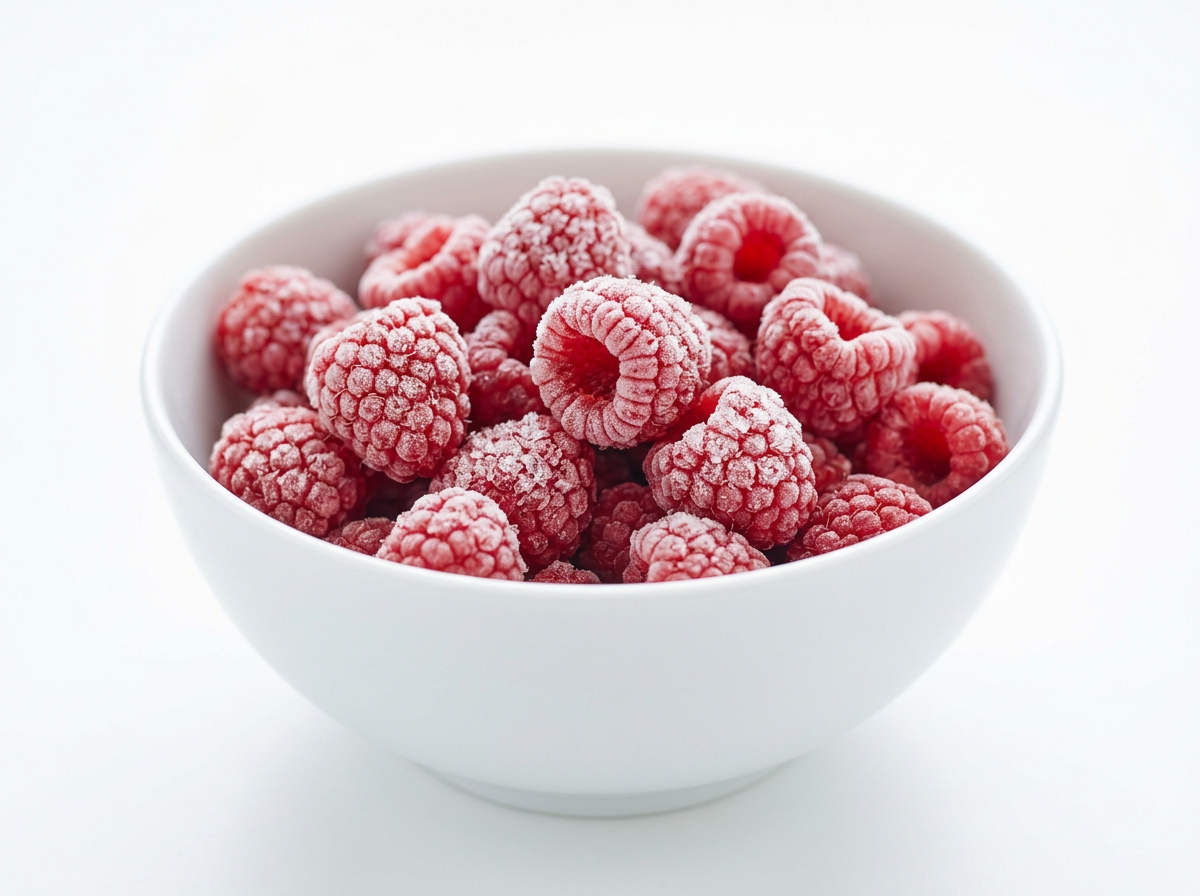
Importing frozen berries from Ukraine into the European Union involves navigating EU food safety law, phytosanitary controls, tariff classification, and cold-chain logistics. Ukraine is not an EU member, so all shipments are treated as third-country imports. This guide outlines the mandatory steps, documents, and typical costs for a first-time importer. It applies to berries such as raspberries, sour cherries, and blueberries, whether IQF or block frozen.
The process typically takes 4–8 weeks from initial inquiry to first delivery, depending on the importer’s preparedness and the supplier’s export readiness. Delays most often occur at border control posts (BCPs) due to incomplete documentation or pesticide-residue sampling. Early alignment on specifications and pre-shipment testing reduces risk.
Prerequisites
- Registered as a food business operator (FBO) in an EU member state
- Understanding of your national BCP procedures and pre-notification requirements
- Clear product specification (variety, size, brix, packaging) agreed with the Ukrainian supplier
- Budget for third-party lab testing (pesticides, heavy metals, microbiology)
- Access to a customs broker familiar with Ukrainian fruit imports
Step-by-Step Process
1. Supplier Qualification
Request the supplier’s export licence, HACCP or ISO 22000 certificate, and recent third-party lab reports for the specific lot you intend to buy. Verify that the processing facility is listed in the EU’s approved establishment database for fruit and vegetable products. If the supplier lacks EU approval, the shipment will be refused entry regardless of product quality.
2. Contract & Specification Agreement
Sign a contract that references the agreed specification sheet, Incoterms (typically FCA or DAP), payment terms, and liability for border rejections. Include a clause allowing pre-shipment sampling by an independent surveyor. The specification should state maximum pesticide residue levels (MRLs) aligned with EU Regulation (EC) No 396/2005, not Ukrainian national limits.
3. Pre-Shipment Testing
Commission an accredited laboratory (e.g., Eurofins, SGS, or a Ukrainian lab with ISO/IEC 17025) to test a composite sample for pesticides, heavy metals (lead, cadmium), and microbiological parameters (Listeria, Salmonella, E. coli). Test results must accompany the shipment and be presented to the BCP if requested. Allow 5–7 working days for results.
4. Export Documentation from Ukraine
The Ukrainian exporter must provide: commercial invoice, packing list, certificate of origin (EUR.1 if claiming preferential tariff under the EU–Ukraine Association Agreement), phytosanitary certificate issued by the State Service of Ukraine on Food Safety and Consumer Protection, and a health certificate for products of non-animal origin if required by the destination member state. The phytosanitary certificate must reference the lot number and the processing facility’s approval number.
5. Transport & Cold Chain
Arrange refrigerated transport (reefer truck or container) capable of maintaining –18°C or lower. The route from western Ukraine to EU border crossings (e.g., Dorohusk, Medyka, or Chop) typically takes 6–12 hours. Ensure the truck has a valid ATP certificate for international transport of perishable foodstuffs. Temperature loggers should be placed in the load and data downloaded upon arrival.
6. EU Border Control & Customs Clearance
Pre-notify the BCP at least 24 hours before arrival using the EU’s TRACES NT system. Submit the Common Health Entry Document (CHED-D) for plant products. The BCP may perform a documentary check, identity check, or physical inspection including sampling for pesticide residues. If the consignment passes, the BCP issues a CHED-D with a release decision. Your customs broker then submits an import declaration and pays any applicable duties and VAT.
7. Post-Import Storage & Distribution
Transfer the berries to an EU-approved cold store. Maintain the cold chain and keep records for traceability. If you are a distributor, ensure your own HACCP plan covers frozen berry storage and handling. Retain all import documentation for at least two years for potential official controls.
Required Documents
- Commercial invoice and packing list
- EUR.1 certificate of origin (for preferential tariff)
- Phytosanitary certificate (Ukrainian issuing authority)
- Health certificate for non-animal origin products (if required by member state)
- Third-party lab test report (pesticides, heavy metals, microbiology)
- ATP certificate for the transport vehicle
- CHED-D pre-notification via TRACES NT
- Import customs declaration (Single Administrative Document)
Common Issues & Solutions
Issue: Pesticide residue levels exceed EU MRLs. Solution: Require pre-shipment testing and specify EU MRLs in the contract. If a shipment fails at the BCP, options include re-export, destruction, or processing under official supervision (if allowed).
Issue: Temperature deviation during transport. Solution: Use calibrated data loggers and include a temperature clause in the contract. If the cold chain is broken, the consignment may be downgraded or rejected.
Issue: Phytosanitary certificate lacks required details. Solution: Provide the Ukrainian exporter with a checklist of mandatory fields (lot number, facility approval number, treatment details if any). Contact the BCP in advance if corrections are needed.
Cost Breakdown
Costs vary by volume, season, and member state. Indicative ranges for a 20-tonne truckload:
- Product cost (FCA Ukraine): €2,800–€4,200 per tonne (depending on berry type and quality)
- Pre-shipment lab testing: €300–€600 per lot
- Transport (Ukraine to EU warehouse): €1,200–€2,500
- BCP fees and customs brokerage: €200–€500
- Import duty: 0% under EUR.1 preference; standard MFN duty for frozen berries is 14.4% (verify current TARIC code)
- VAT: 0% for intra-EU B2B if you provide a valid VAT number; otherwise charged at destination rate
Total landed cost typically ranges from €3,200 to €5,000 per tonne, excluding storage and distribution.
Frequently Asked Questions
Q: Do I need an import licence? A: No general import licence is required for frozen berries, but you must register as an FBO and comply with food safety law.
Q: Can I import small trial quantities? A: Yes, but the same documentation and BCP procedures apply. Consider using a consolidated shipment or a freight forwarder experienced in small lots.
Q: What if the supplier is not EU-approved? A: The shipment will be refused entry. Work only with facilities listed in the EU’s Third Country Establishments database.
Regulatory Framework
EU food law is built on Regulation (EC) No 178/2002 (General Food Law), which establishes the European Food Safety Authority (EFSA) and the Rapid Alert System for Food and Feed (RASFF). All food placed on the EU market must be safe, and the FBO is responsible for ensuring compliance. For third-country imports, Regulation (EC) No 852/2004 on food hygiene and Regulation (EU) 2017/625 on official controls apply. Frozen berries are not subject to specific marketing standards like fresh fruit, but they must meet general safety and labelling requirements.
Under the EU–Ukraine Association Agreement, frozen berries benefit from tariff elimination if they meet rules of origin. The EUR.1 certificate is issued by Ukrainian customs and must be presented to EU customs. Without it, the Most Favoured Nation (MFN) duty applies. The EU’s autonomous trade measures (ATMs) for Ukraine, introduced in 2022 and extended annually, suspend all remaining tariffs and quotas for most Ukrainian goods, including frozen fruit, but importers should verify the current ATM regulation for the relevant period.
Supplier Due Diligence Checklist
Before placing an order, verify the following with the Ukrainian supplier:
- Export licence issued by the State Service of Ukraine on Food Safety and Consumer Protection
- HACCP or ISO 22000 certificate valid for the processing facility
- Listing in the EU’s Third Country Establishments database (if applicable)
- Recent third-party lab reports (within 6 months) for the target market’s pesticide and contaminant limits
- Traceability system that can identify the farm(s) of origin for each lot
- Ability to provide a phytosanitary certificate for the destination country
- Insurance coverage for product liability and recall costs
Quality Control on Arrival
Upon receipt at your warehouse, conduct a documented inspection:
- Check temperature logger data for the entire journey; any deviation above –15°C for more than 30 minutes should trigger a quality review
- Inspect packaging integrity; damaged or thawed-refrozen product must be segregated
- Draw a composite sample for internal or third-party lab verification (microbiology and sensory evaluation)
- Compare the delivered lot against the specification sheet (size, colour, foreign matter, brix if applicable)
- Record all findings in your HACCP plan and notify the supplier of any non-conformities within the contractually agreed period (typically 48 hours)
Record Keeping & Traceability
EU law requires FBOs to maintain traceability records for at least two years. This includes supplier details, lot numbers, quantities, dates of receipt, and destination customers. If a RASFF notification or customer complaint arises, you must be able to trace the product forward and backward within four hours (best practice). Digital systems are recommended; paper records are acceptable if they are legible and readily accessible.