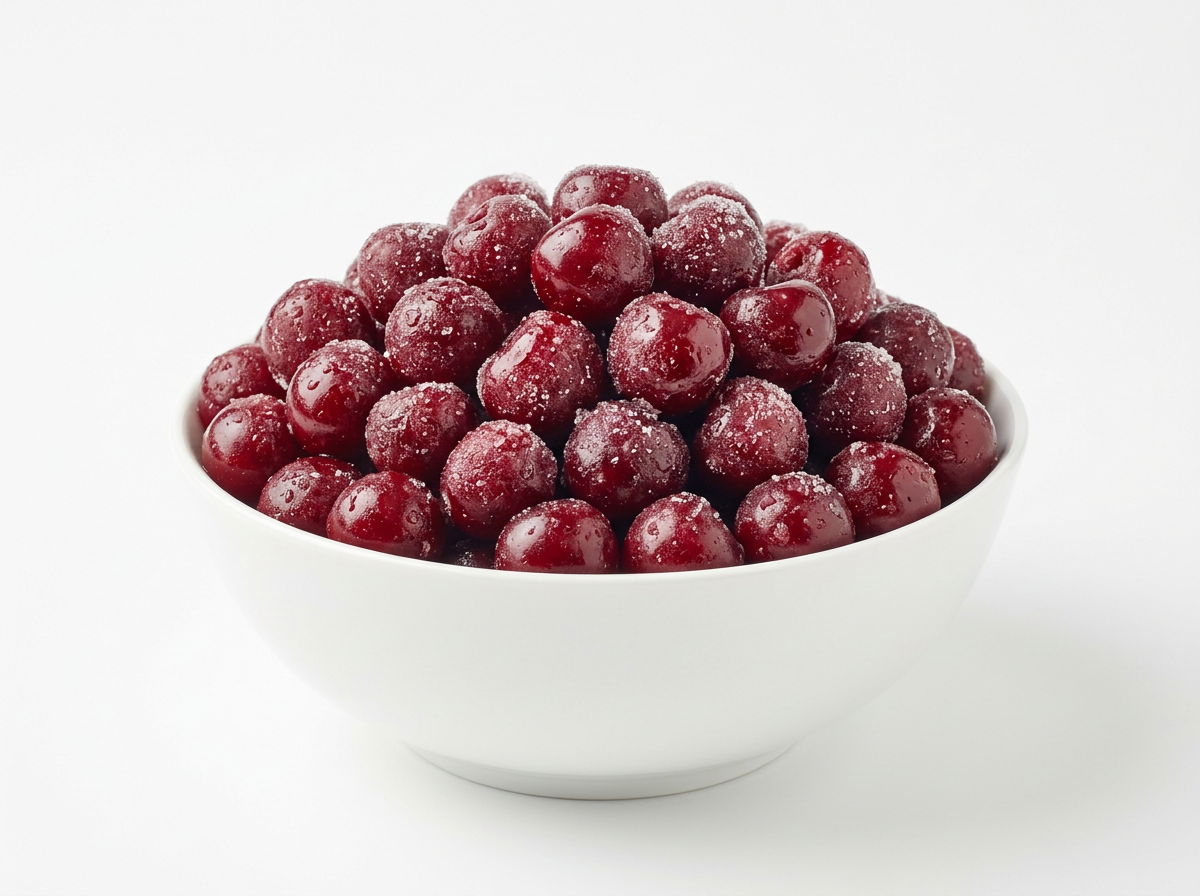
What Poland buys
Poland is simultaneously one of the largest European producers of frozen fruit and one of the largest importers of it. Both facts are true for the same reason: Polish freezing, sorting and repacking capacity is larger than the domestic crop can reliably fill, and the difference is bought in.
For a Ukrainian supplier that makes Poland the nearest serious market and the most technically informed one. A Polish processor prices your raspberry against raw material they can source themselves, so the conversation starts at the specification and moves to the price only when the specification is comparable.
How the buying side is organised
- Processors and freezers buying raw or semi-processed fruit to run through their own lines.
- Repackers and private label houses converting bulk into consumer packs for several Member States, not only for Poland.
- Traders and re-exporters moving product onward into Germany, the Netherlands, Scandinavia and the Baltics.
- Food service distributors buying mixed portfolios in mid-size volumes.
Decision cycles are shorter than in Germany and the tolerance for an incomplete file is slightly higher, but only slightly, and only where the buyer is confident they can resolve the gap themselves.
What sits above EU law
Two things. First, a certificate that satisfies the onward buyer rather than only the immediate one, because a large share of what arrives is resold. Second, physical discipline: pallet height and carton configuration agreed in writing, lot codes readable on every carton, and stretch wrapping that survives a double handling.
Neither is glamorous, and both are the reason first shipments fail here.
Logistics and calendar
Around 700 km from western Ukraine to Warsaw, two to three days door to door, direct road reefer with no transhipment. Poland is also the transit country for almost every other corridor into the Union, so a Polish cold store is frequently the consolidation point for onward loads rather than the final destination.
The calendar follows the domestic crop. While local raw material is available, imports are selective and grade specific. As domestic stock is committed, the import window widens. In a short crop year it widens sharply and the conversation changes from a grade gap to a volume programme.