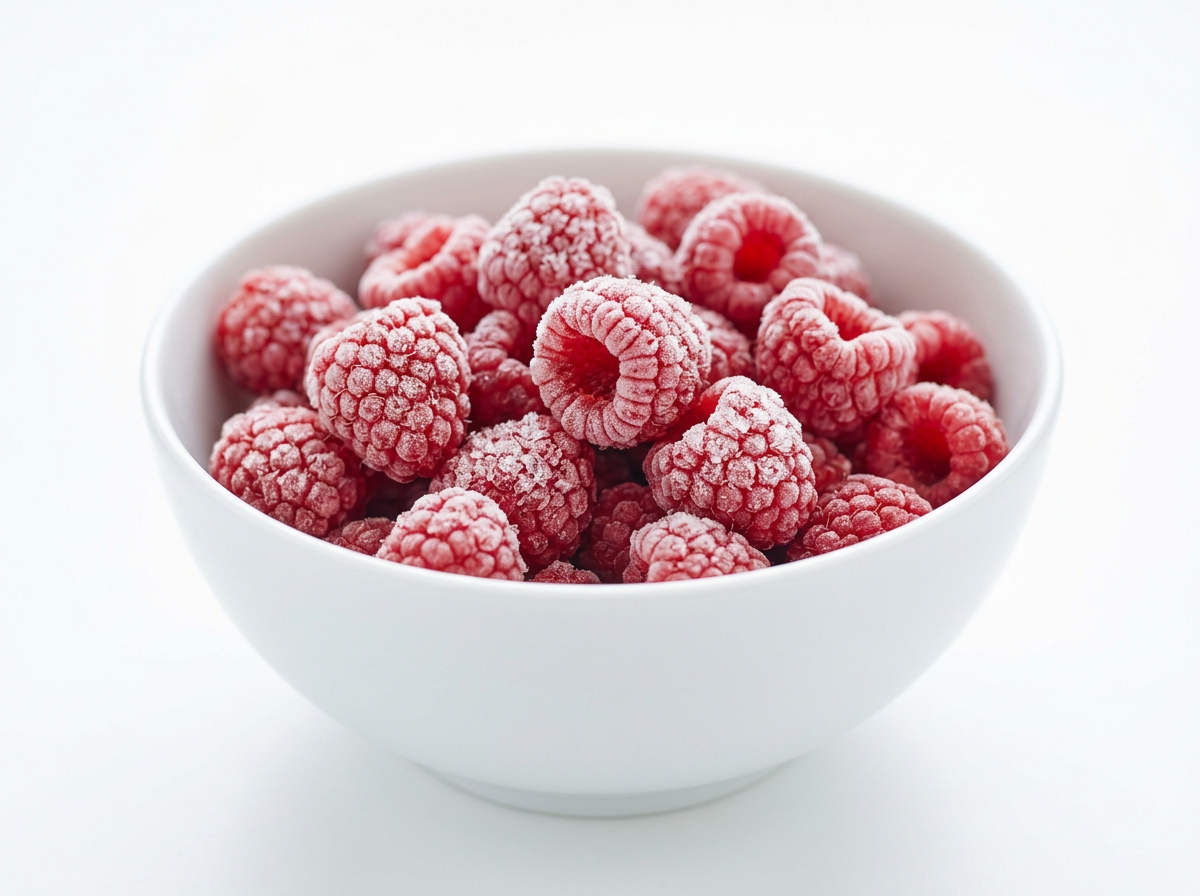
The difference is appearance tolerance, not food safety. Grade A usually means whole fruit, uniform colour, a tight calibre band and low defect percentages. Grade B allows more broken fruit, a wider calibre range and more colour variation. Both grades are subject to the same microbiological and residue limits.
Why the terms are not standardised
There is no single legal definition of Grade A frozen raspberry. Each processor applies a house standard, so two offers labelled Grade A can genuinely differ. The grade name is a shorthand for a set of numbers, and only the numbers are enforceable.
What to do about it
Write the numbers into the specification: calibre range, whole fruit percentage, broken fraction, foreign vegetable matter, colour reference, and the sampling plan and thawing protocol used to assess them. Then buy the grade the application needs. Paying premium prices for fruit that will be blended is the most common avoidable cost in frozen fruit sourcing.
Full breakdown of the grade parameters: frozen berry grades explained.