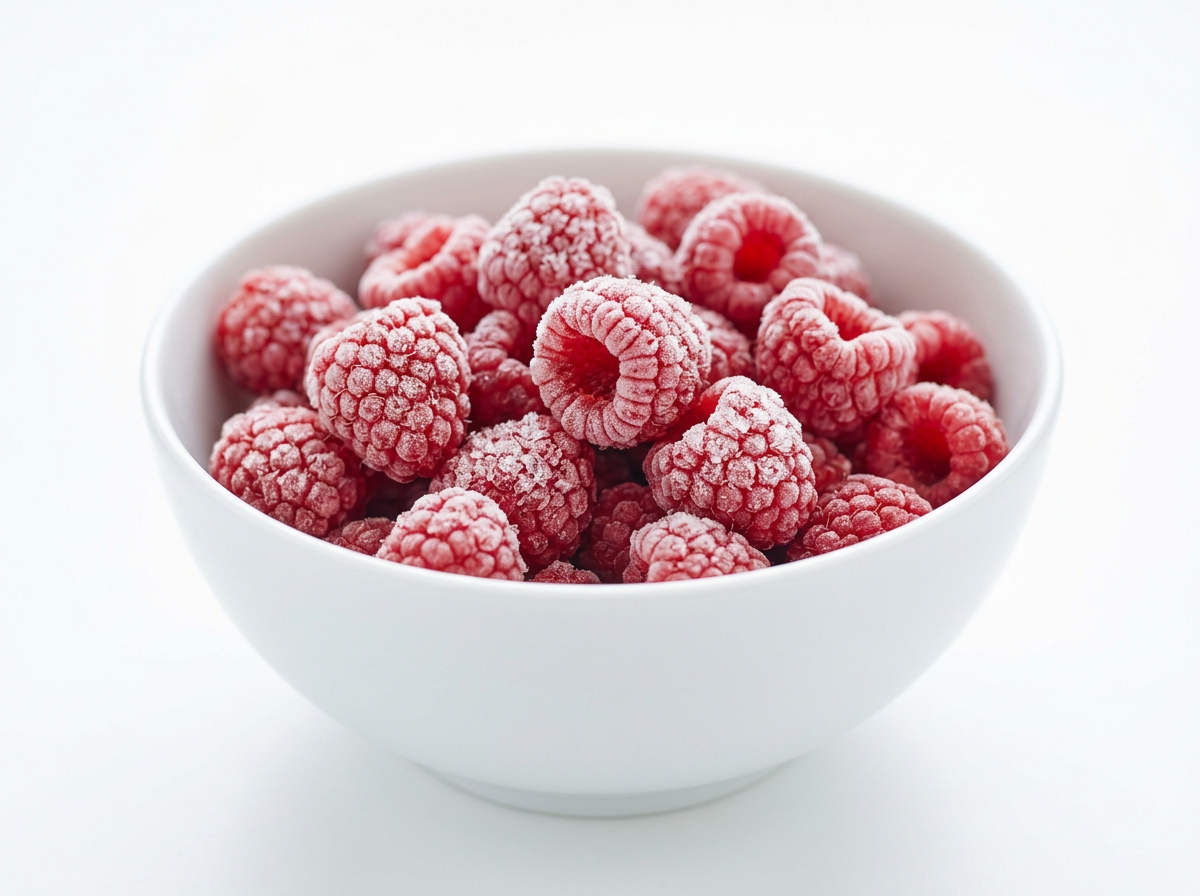
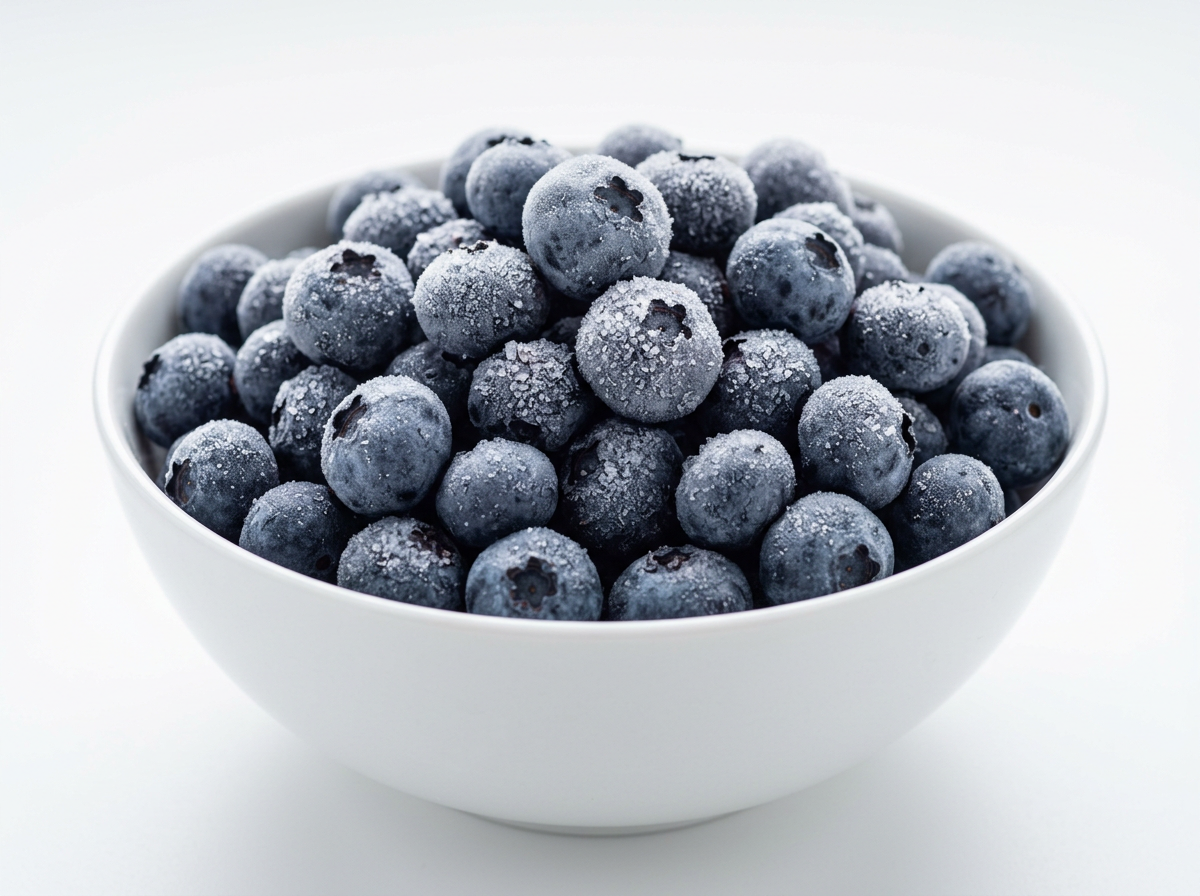
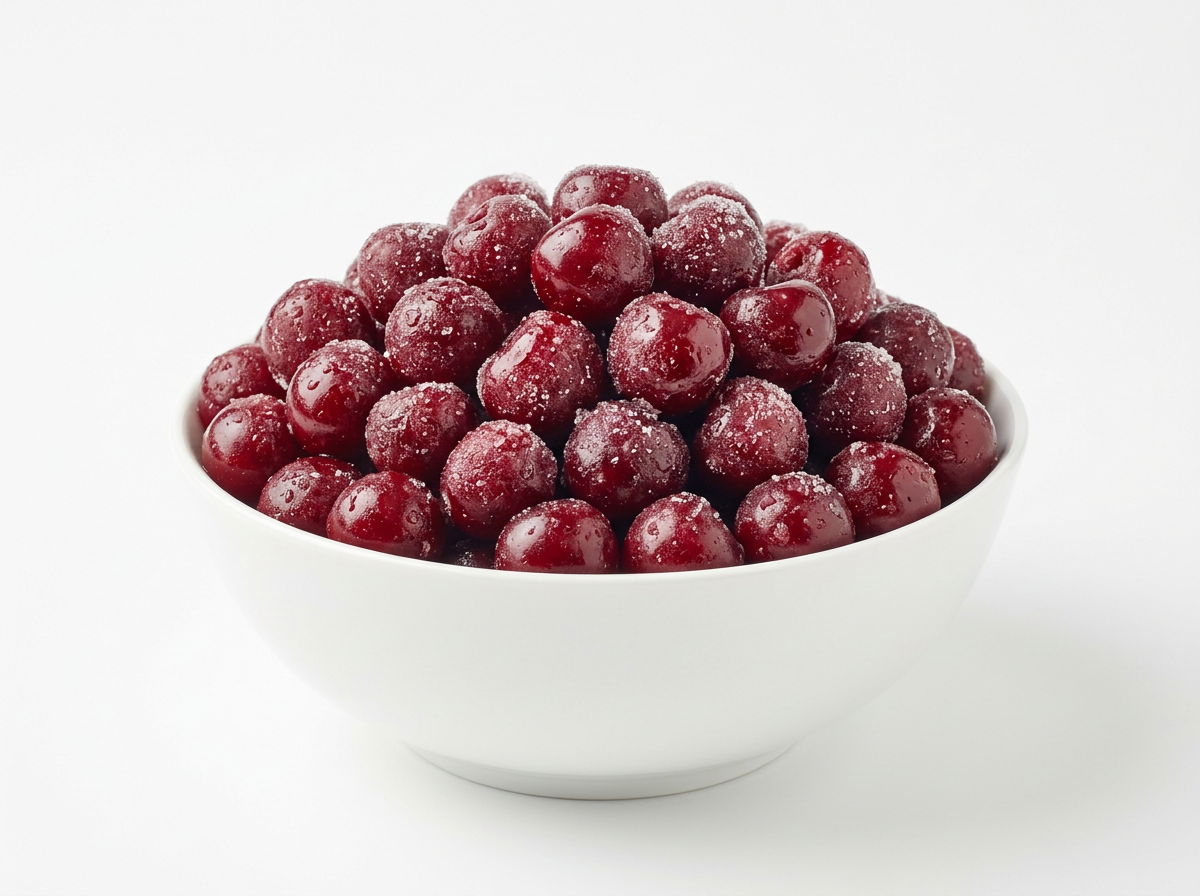
There is no single legal definition of Grade A frozen raspberry. Grade is a commercial convention, and every processor’s convention is slightly different. That is why two offers labelled Grade A can differ by a third in price and still both be honest. If you are buying frozen berries, the grade name is a shorthand; the numbers behind it are the contract.
This guide explains what the common grade names usually mean, which defects get counted, and how to write the clause so that the shorthand cannot drift.
The common grade names
| Grade | Usual meaning | Typical use |
|---|---|---|
| Grade A / Premium | Whole fruit, uniform colour, tight calibre band, low defect tolerance | Toppings, decoration, retail packs, yoghurt inclusion |
| Grade B / Standard | Whole and near-whole fruit, wider calibre band, higher defect tolerance | Bakery fillings, ice cream, smoothies |
| Crumble / Broken | Deliberately broken fruit, sold as such | Fillings, compotes, flavouring |
| Puree grade / Industrial | No appearance requirement, sold on solids and micro | Juice, concentrate, jam, puree |
Notice what varies across the rows: it is not the fruit, it is the tolerance for appearance defects. A crumble grade raspberry from a good line can be microbiologically identical to the Grade A from the same day’s intake.
Buy the grade your application needs, not the grade that sounds safest. Paying Grade A prices for fruit that will be blended is the most common avoidable cost in frozen fruit sourcing.
The parameters a grade clause should fix
- Calibre. A stated millimetre range and the permitted percentage outside it. For cherries and strawberries this drives most of the price.
- Whole fruit percentage. Defined by weight, with a definition of what counts as whole. Is a raspberry missing a few drupelets whole?
- Broken and crumbled fraction. Percentage by weight.
- Colour. Reference to a colour standard or a retained sample, not an adjective.
- Foreign vegetable matter. Leaves, stems, calyxes. Percentage by weight, usually very low.
- Foreign material. Absent, with the detection method named.
- Immature, overripe and blemished fruit. Each defined and each with its own tolerance.
- Frozen aggregates. Maximum clump size and maximum percentage.
- Sampling plan. How many cartons, how many grams, from where in the lot.
The last one is the clause most often missing and the one that decides every disagreement. A defect tolerance without a sampling plan is a wish.
How defects are counted in practice
Assessment is done on a thawed sub-sample of a defined weight, sorted by hand into defect categories, each weighed. Two things must be agreed in advance:
- The thawing protocol. Time, temperature, and whether the fruit is drained. Different protocols produce visibly different results on the same fruit.
- Whether defects are additive. A single berry can be both undersized and blemished. If categories overlap, a total defect ceiling is more meaningful than the sum of individual tolerances.
Common mistakes
- Specifying a grade name and nothing else. The supplier will apply their own house standard, correctly.
- Copying tolerances between species. Raspberry, blueberry and sour cherry break, bleed and discolour in completely different ways.
- Setting a defect tolerance tighter than the line can hold. You will get selective sorting on the first lot and drift on the fourth.
- Assessing grade while frozen. Broken fruit and colour defects mostly reveal themselves on thawing.
- Forgetting the calyx. For strawberries, calyx and green tips are a distinct defect category and a distinct cost in the sorting line.
A practical example
A dessert manufacturer specified Grade A blackcurrant with a maximum three percent defects, and rejected the first lot at four percent. Reassessment on the retained sample gave 2.6 percent – the difference was the thaw. The buyer had assessed after a full overnight thaw at ambient, which allowed soft berries to collapse and be counted as broken; the supplier had assessed after a controlled two-hour thaw under refrigeration. Neither was cheating. Adding the thawing protocol to the specification ended the dispute permanently.
FAQ
Is Grade A always better value?
No. It is better appearance. If the fruit will be blended, baked or pureed, appearance tolerance is money spent on something the end customer never sees.
Can I mix grades in one order?
Yes, and it is often the cheapest answer: premium grade for the visible application and standard or crumble for the blended one, as separate SKUs on the same pallet.
Who decides the grade in a dispute?
Whoever the contract names, using the sampling plan the contract sets out. Absent that, an independent surveyor at shared cost, which is slower and more expensive than agreeing the plan in advance.
Does grade affect microbiological quality?
Not directly. Grade is an appearance and integrity classification. Microbiological limits are a separate clause and apply to every grade equally. See frozen berry specification parameters.